Probate Administration in Arizona

Simplified Probate: Your Guide Through Arizona Estate Administration.

It Might Be Your First Time Navigating Probate—But It’s All We Do.

We do not handle other types of cases. At Rahnema Law, we’ve helped hundreds of Arizona families through the probate process. We’ll make it simple, clear, and fast—so you don’t have to do it alone.

Probate administration in Arizona

What Is
Probate Administration?

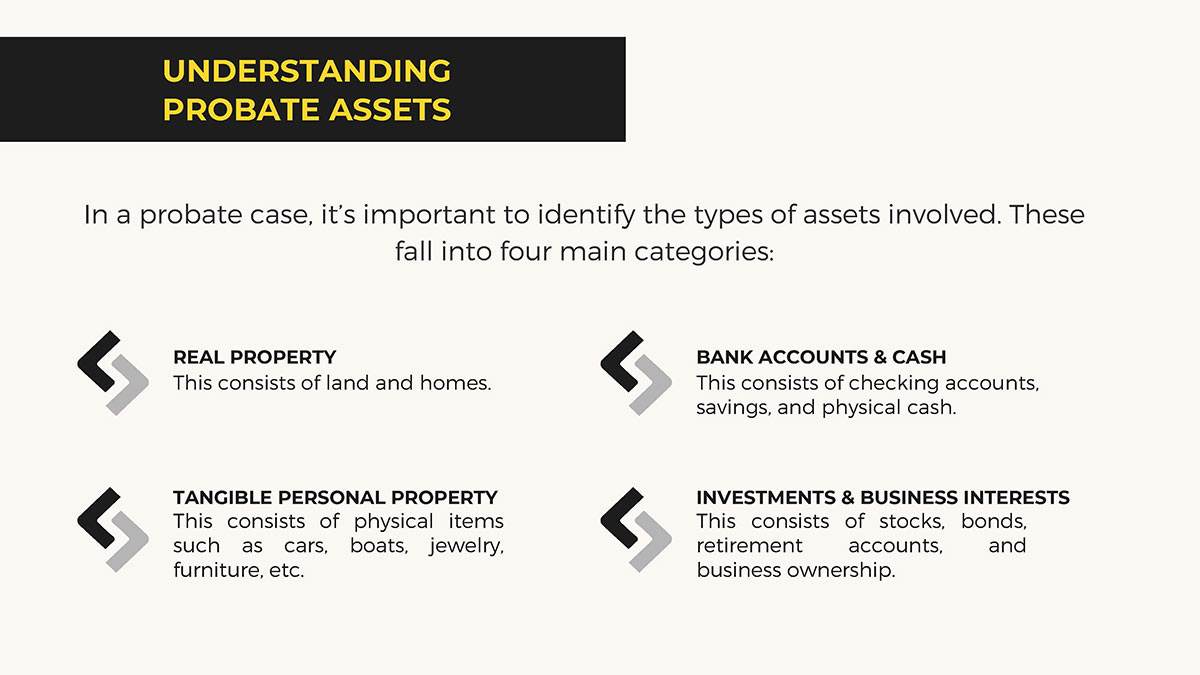
At Rahnema Law, we handle every step of the probate process, including:

We simplify this complex process, guiding you from start to finish so you can focus on healing.

Slide Image 1
Slide Image 2
Slide Image 3
Slide Image 4
Slide Image 5
Slide Image 6
Slide Image 7
Slide Image 8
Slide Image 9
Slide Image 10
Slide Image 11
Slide Image 12
Slide Image 13
Slide Image 14
Slide Image 15
Slide Image 16
Slide Image 17
Slide Image 18
Slide Image 19
Slide Image 20
Slide Image 21
Slide Image 22
Slide Image 23
Slide Image 24
Slide Image 25
Slide Image 26
Slide Image 27
Slide Image 28
Common Questions about Probate Administration

Understanding Probate
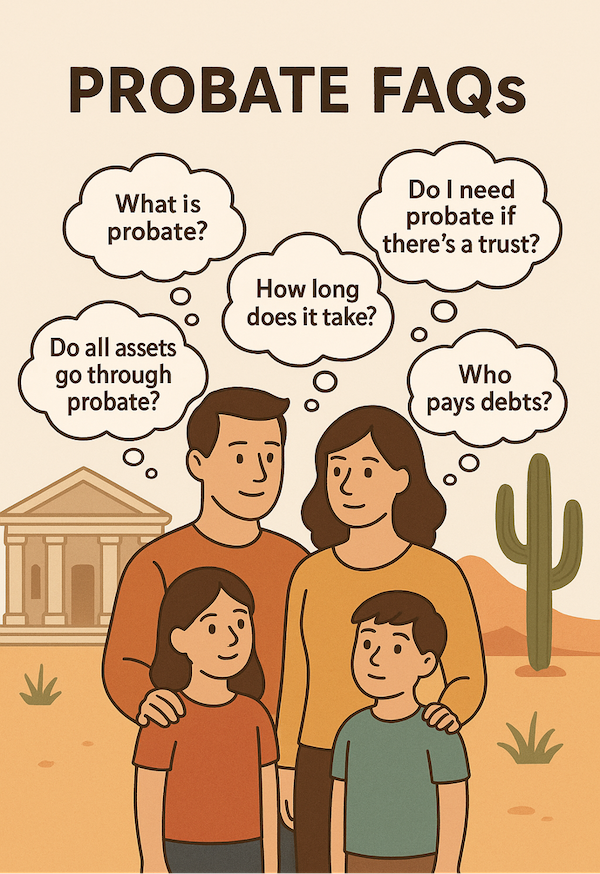
Common Questions

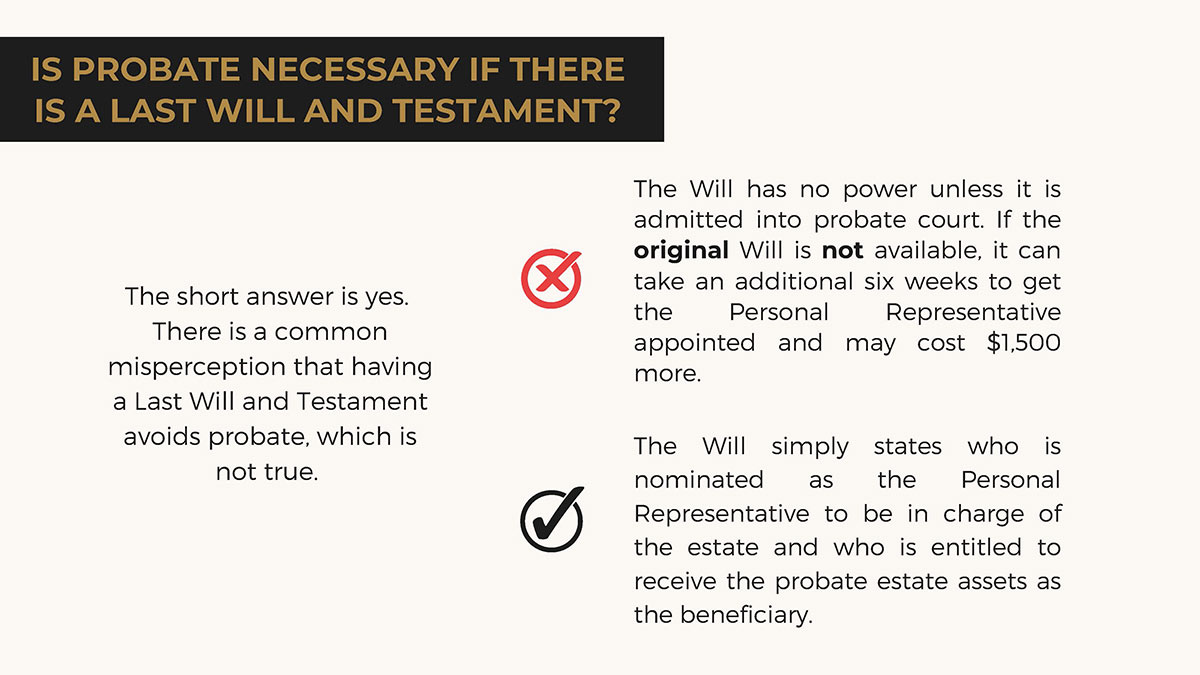
1. Do I Need Probate If There’s a Will?
Yes, even with a valid will, probate may still be needed to transfer assets legally. The Will has no power unless a Personal Representative is appointed.

2. How Fast Can I Get Appointed by the Court?
Depending on your situation, it might be as quick as 1 week.

3. When Can I sell Assets?
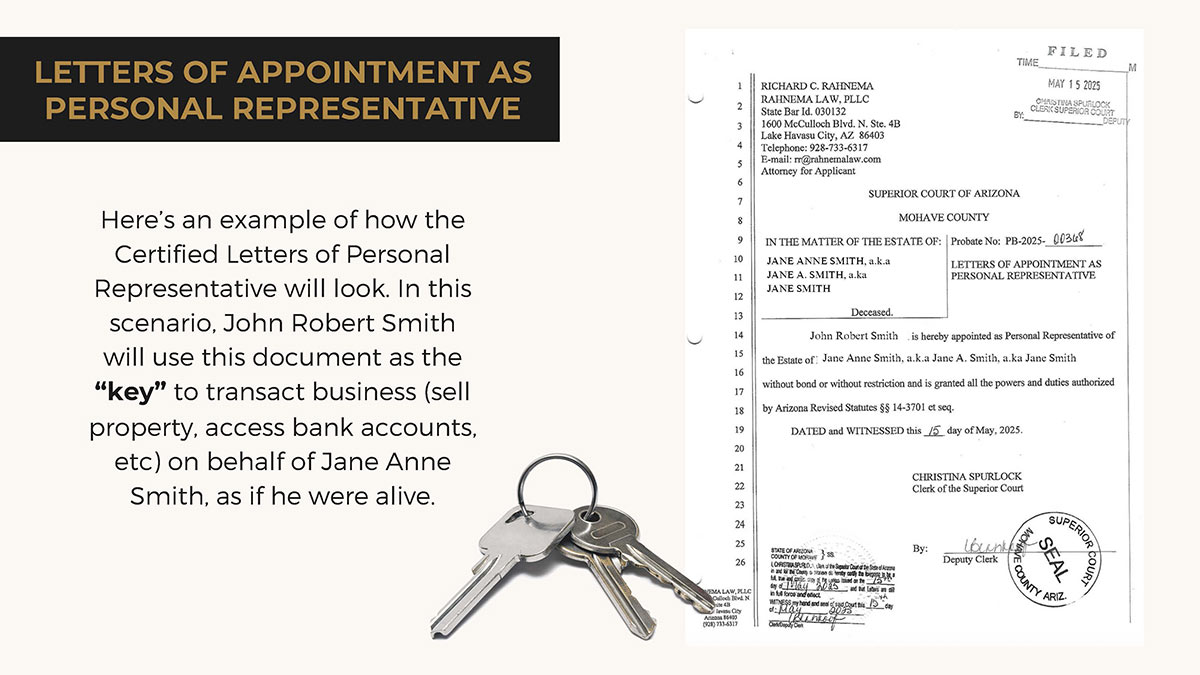
The day you are appointed and have your Letters.

3. Do I Need to Come to Arizona?
Not for the probate process, but maybe- to obtain personal property in a home.

For a full list of FAQs, visit our dedicated Probate FAQ page.

Learn Probate Administration

6 Common Myths
About Arizona Probate

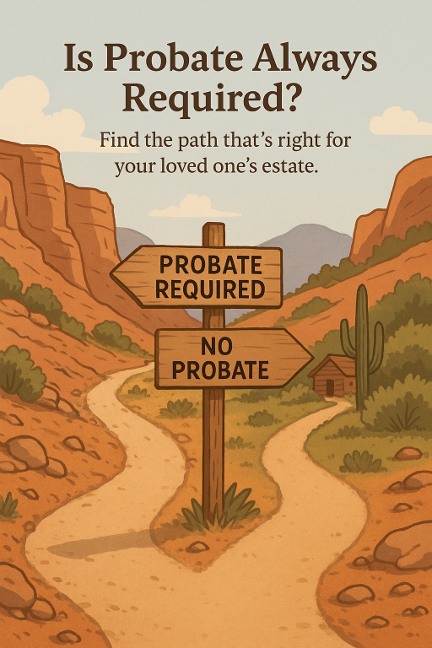
Myth #1: Having a Will Avoids Probate

The Truth: A will actually requires probate—it doesn’t avoid it. Think of a will as instructions for the court on how to distribute your assets. To truly bypass probate, you need trusts, beneficiary designations, or payable-on-death accounts.

Myth #2: Probate Always Takes Years and Costs a Fortune

The Truth: Arizona probate is typically quick (2-3 months) and inexpensive (under $5,000 for most cases). Unlike California or Midwest states, Arizona has streamlined procedures. Most informal probates can be completed efficiently with experienced guidance.

Myth #3: Small Estates Don't Need Probate

The Truth: Size doesn’t automatically eliminate probate requirements. Arizona’s 2025 small estate limits are $200,000 for personal property and $300,000 for real estate. Even qualifying estates need proper legal documentation—many families miss these opportunities because they don’t know the current rules.

Myth #4: The State Takes Everything If You Die Without a Will

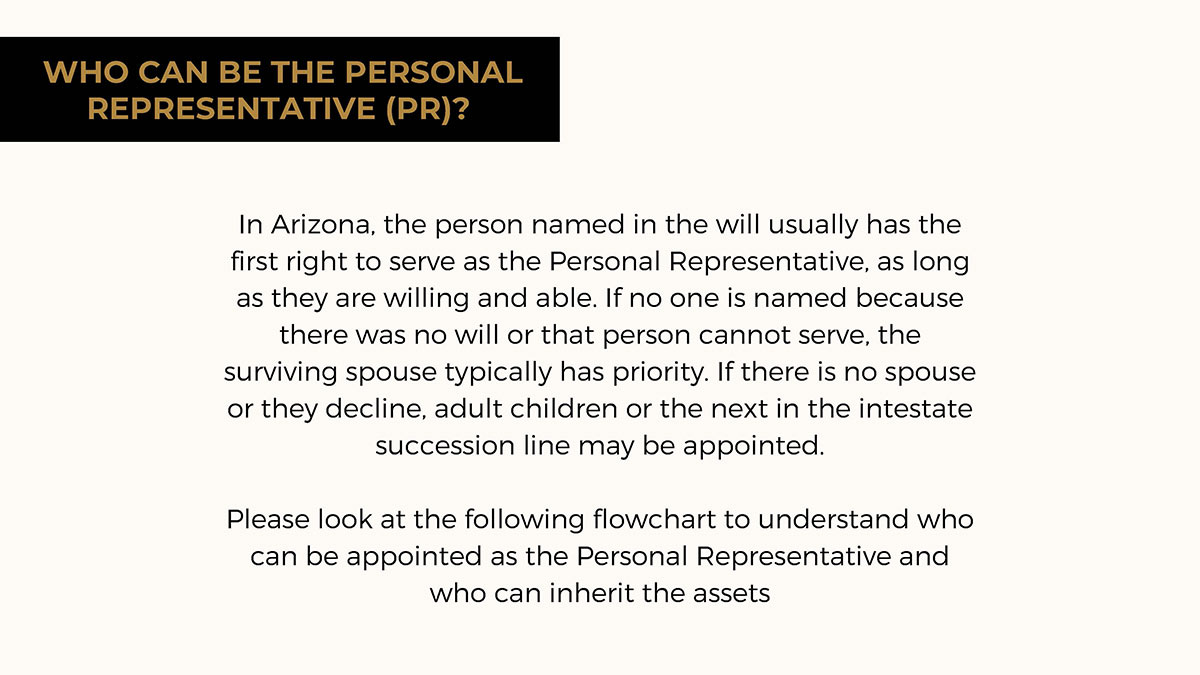
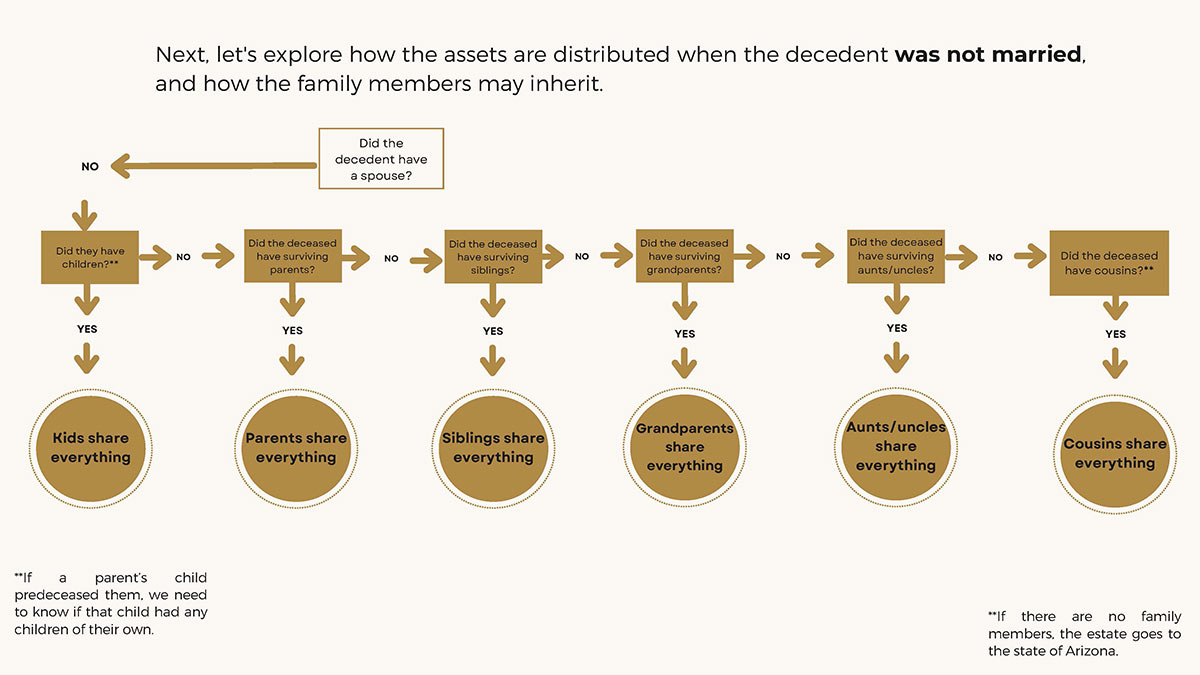
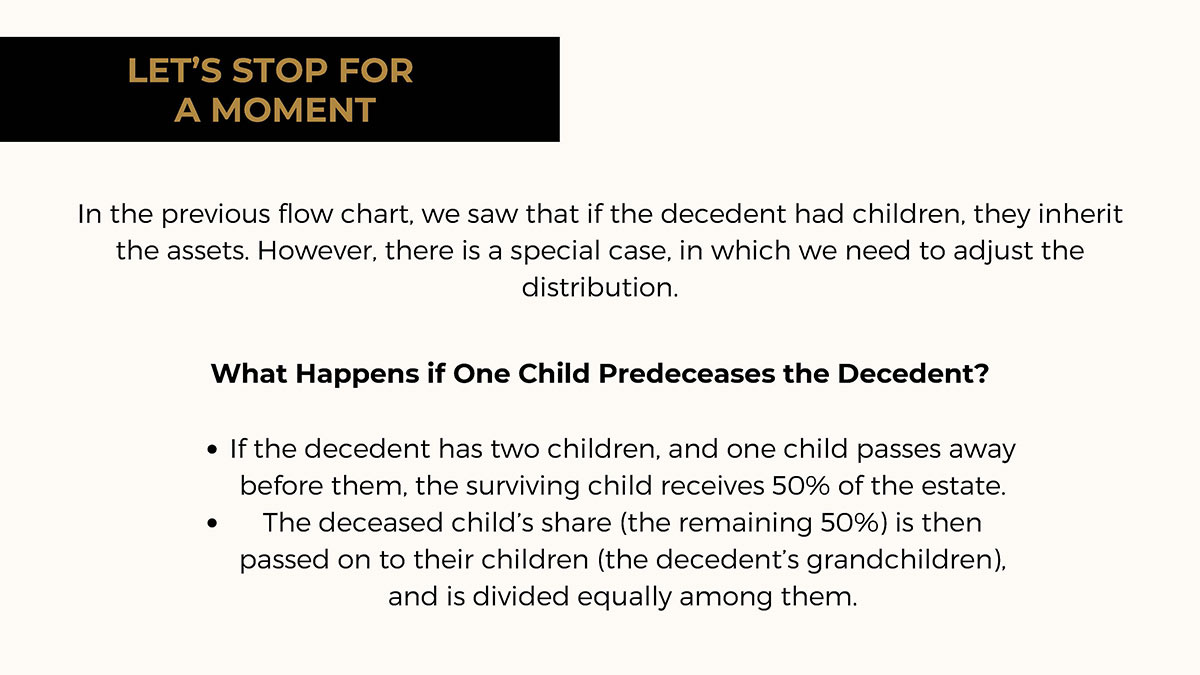
The Truth: Arizona has clear intestate succession laws distributing assets to family members—not the state. Surviving spouse comes first, then other relatives. The state only inherits if no eligible family exists, which is extremely rare.

Myth #5: Being Named in Someone's Will Makes You Automatically the Personal Representative

The Truth: You must still be officially appointed by the probate court before acting on behalf of the estate. Until you have legal authority, you can’t collect assets, pay debts, or distribute property. This requires court filings and formal legal responsibilities.

Myth #6: Probate Is Always Contentious and Causes Family Fights

The Truth: Most Arizona probate cases proceed smoothly with well-drafted wills. Informal probate has minimal court supervision when wills aren’t challenged. Family disputes typically arise from poor communication or unclear estate planning—not from probate itself.

Our Step-by-Step Approach to
Probate Administration

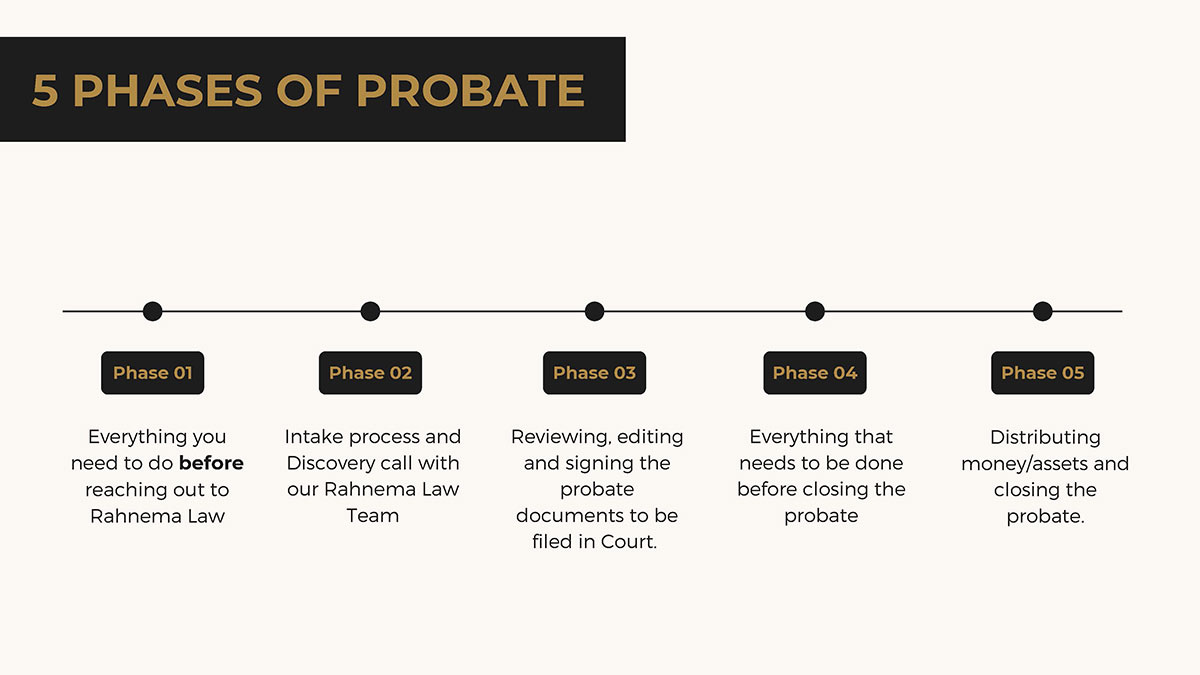
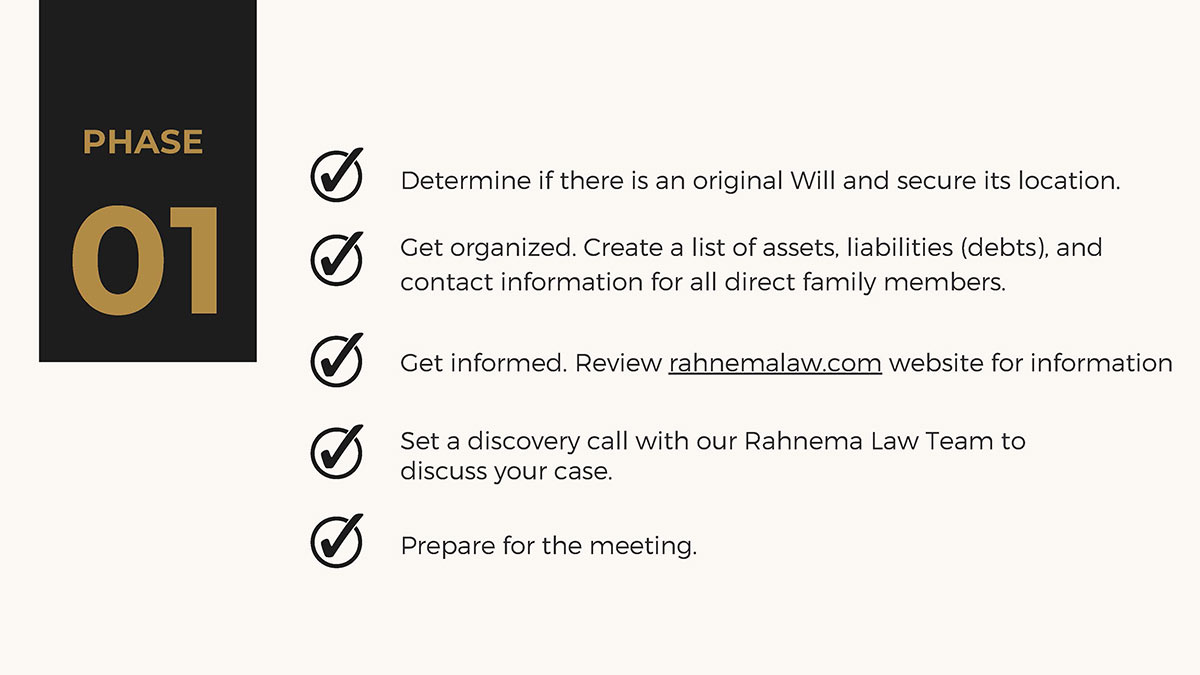
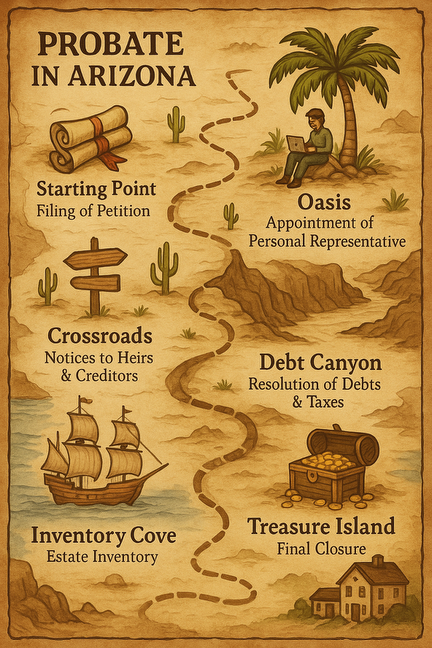
Phase 01

Steps to Take Before Getting Started

  • Determine if there is an original will and secure its location.
  • Get organized. Create a list of assets and liabilities (debts).
  • Get informed. Review rahnemalaw.com website for information.
  • Set a discovery call with our Rahnema Law Team to discuss your case.
  • Prepare for the meeting.

Watch the video – Getting Prepared

Phase 01

Phase 02

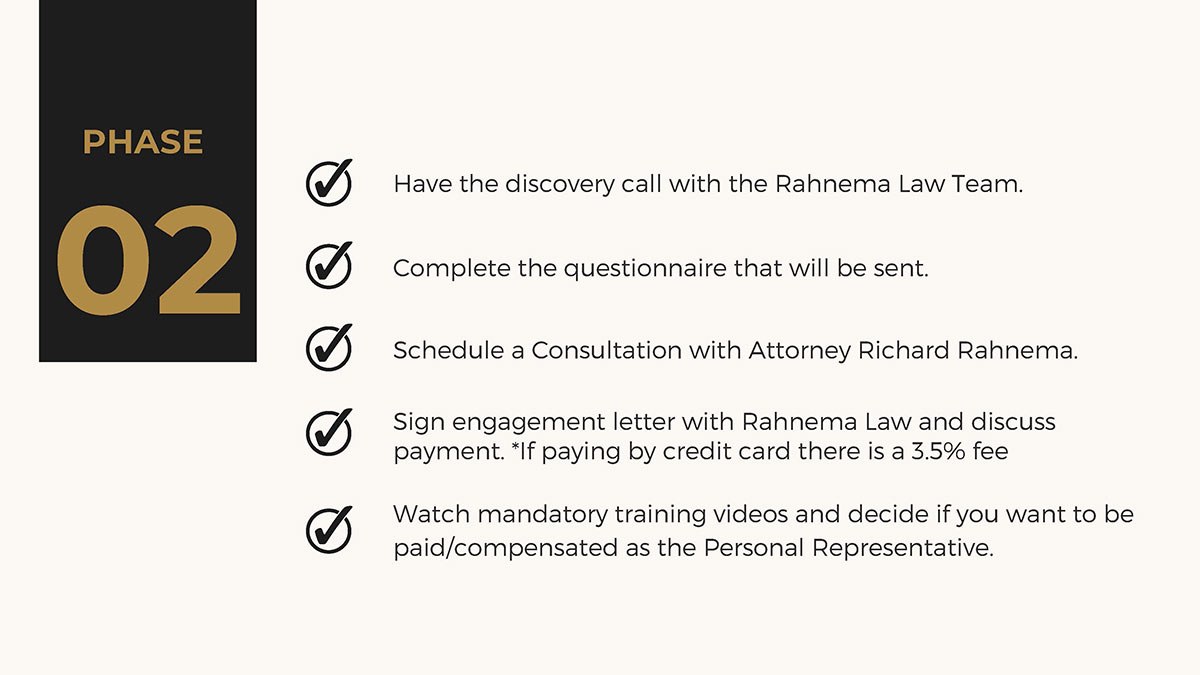
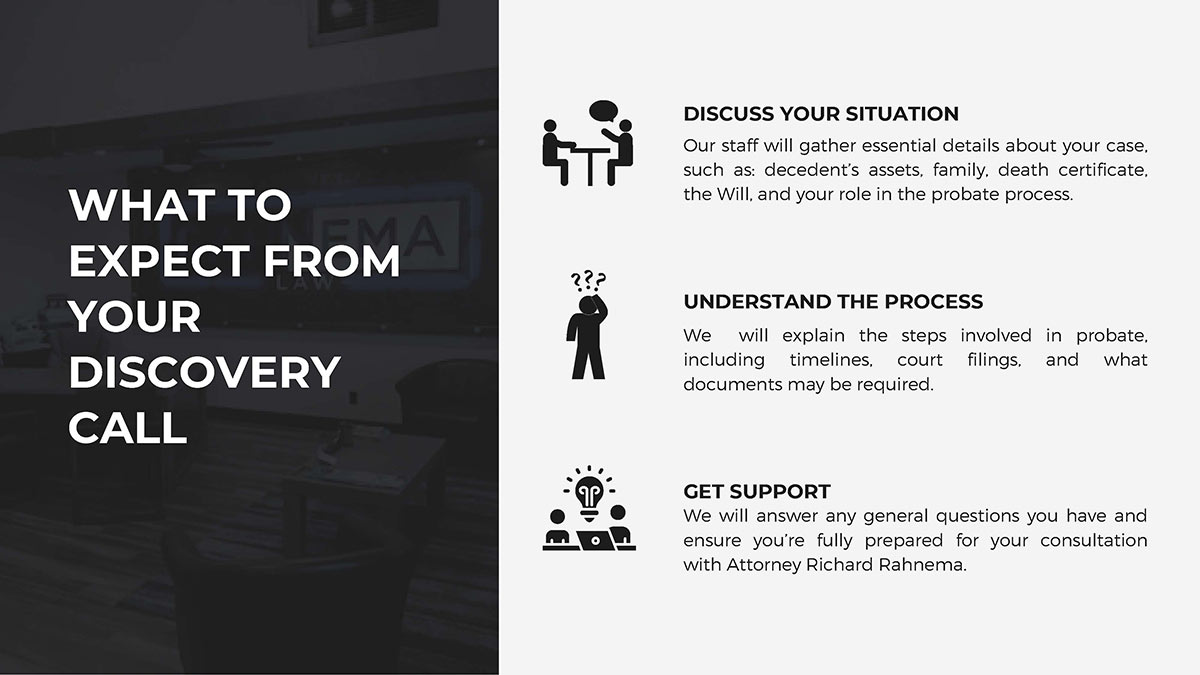
Intake process and Discovery call with our Rahnema Law Team

  • Have the discovery call with Yami, our Legal Intake Specialist.
  • Fill out the questionnaire that will be sent to your email.
  • Schedule a Consultation with our lawyer Richard Rahnema.
  • Sign the engagement letter with Rahnema Law. We accept alternative payment methods such as cash or bank transfer to help clients avoid standard processing fees.

Watch the video

Phase 02

Phase 03

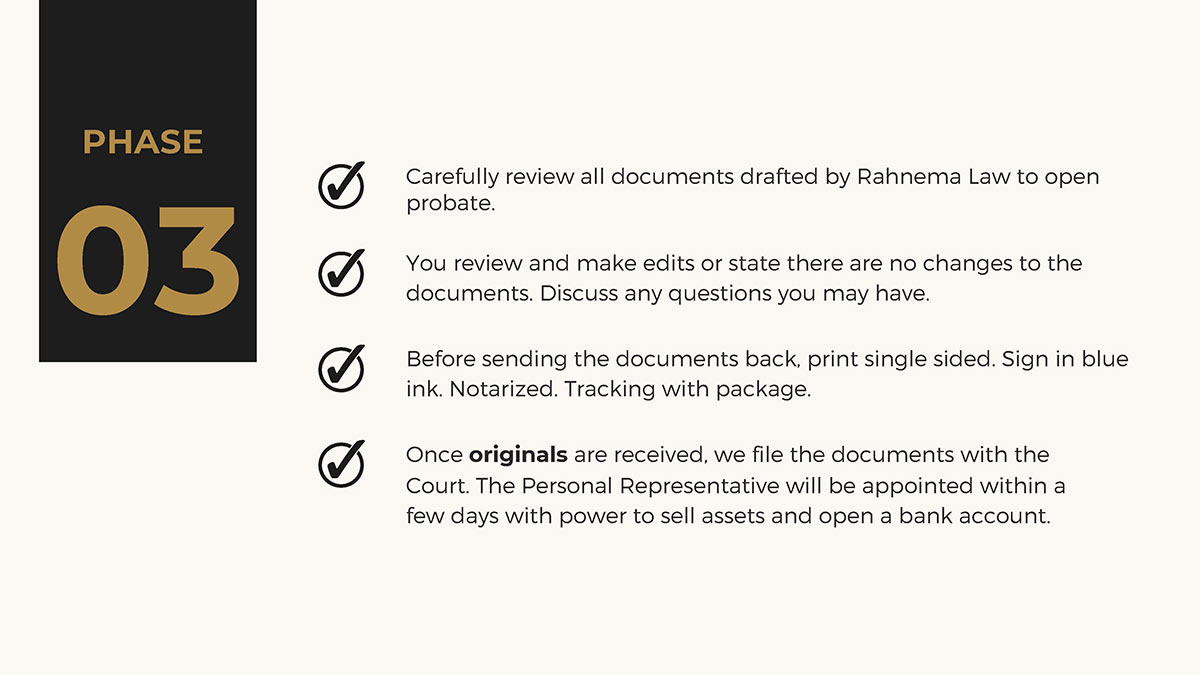
Everything necessary before “opening” probate

We’ll send you all the court-ready documents. You’ll review, sign, and return them — and we’ll handle the filing with the court.
In this phase, we prepare and submit all necessary court documents.
Carefully review all probate documents drafted by Rahnema Law.

  • Provide your feedback or confirm no changes are needed.
  • Complete final signing and notarization of documents.
  • We will then file the original documents with the Court.
  • Watch mandatory training videos and decide if you want to be paid as the representative.

Watch the video on Understanding Court Filings

Phase 03

Phase 04

Managing the Estate Once Appointed

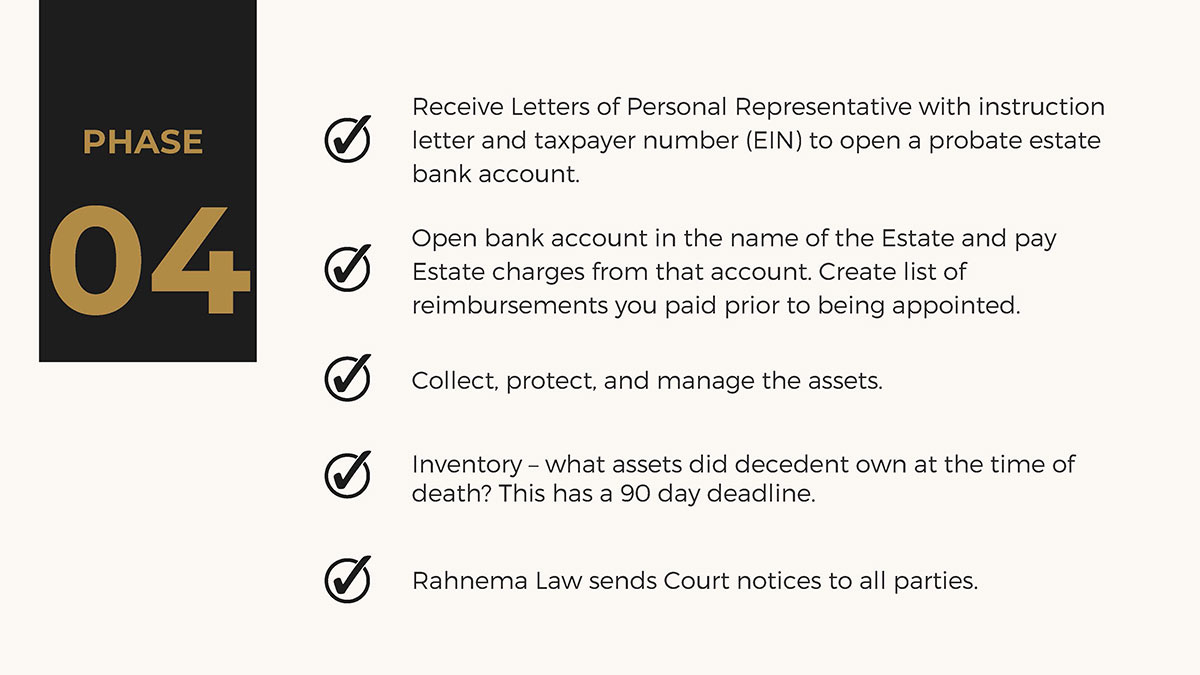
  • Receive Letters of Personal Representative with instruction letter and taxpayer number (EIN) to open a probate estate bank account.

  • Open bank account in the name of the Estate and pay Estate charges from that account. Create list of reimbursements you paid prior.
  • Collect, protect and manage the assets.
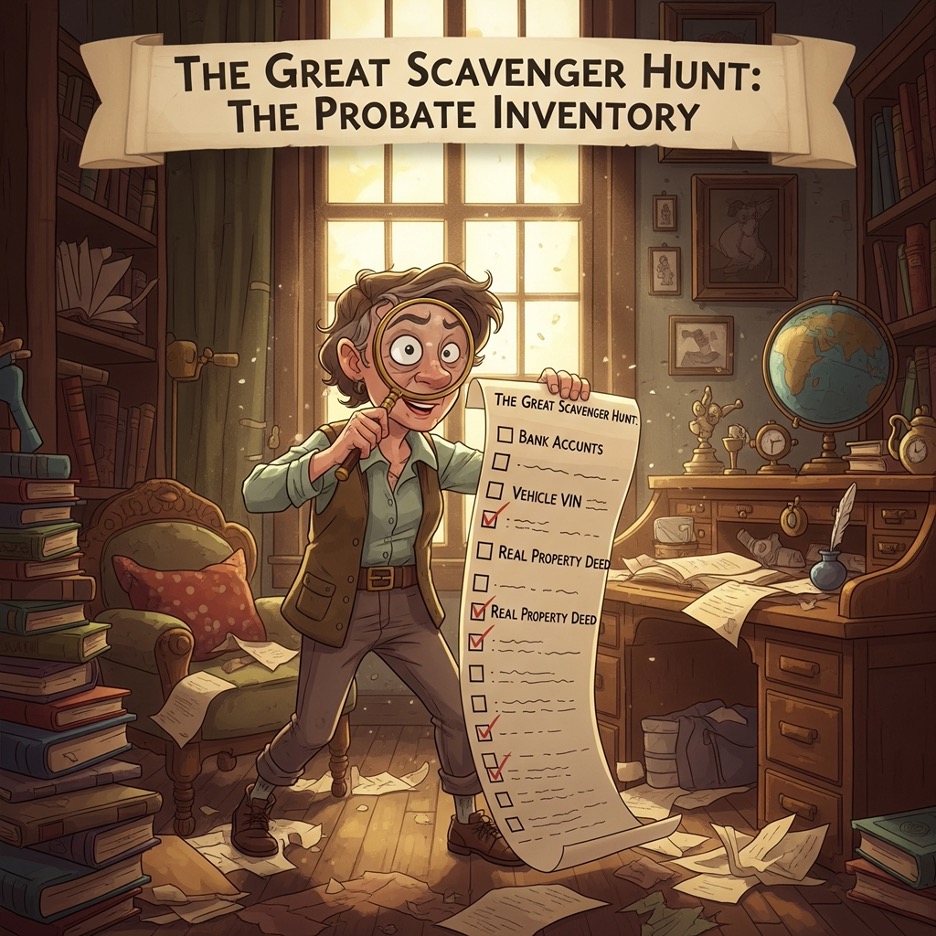
  • Inventory – what assets did decedent own at the time of death? This has a 90 day deadline.
  • Rahnema Law sends Court notices to all parties.
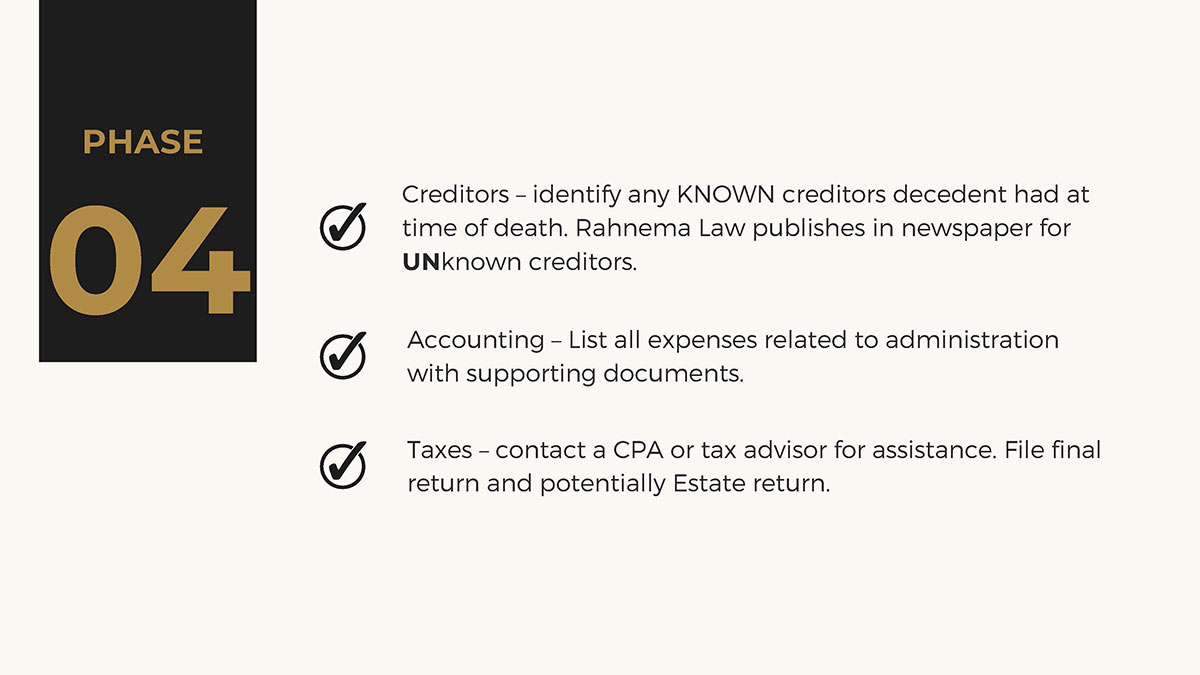
  • Creditors – identify any KNOWN creditors decedent had at time of death. Rahnema Law publishes in newspaper for Unknown creditors.
  • Accounting – List all expenses related to administration with supporting documents.
  • Taxes – contact a CPA or tax advisor for assistance. File final return and potentially Estate return.

Watch the video

Phase 04

Phase 05

Distributing money/assets and closing the probate.

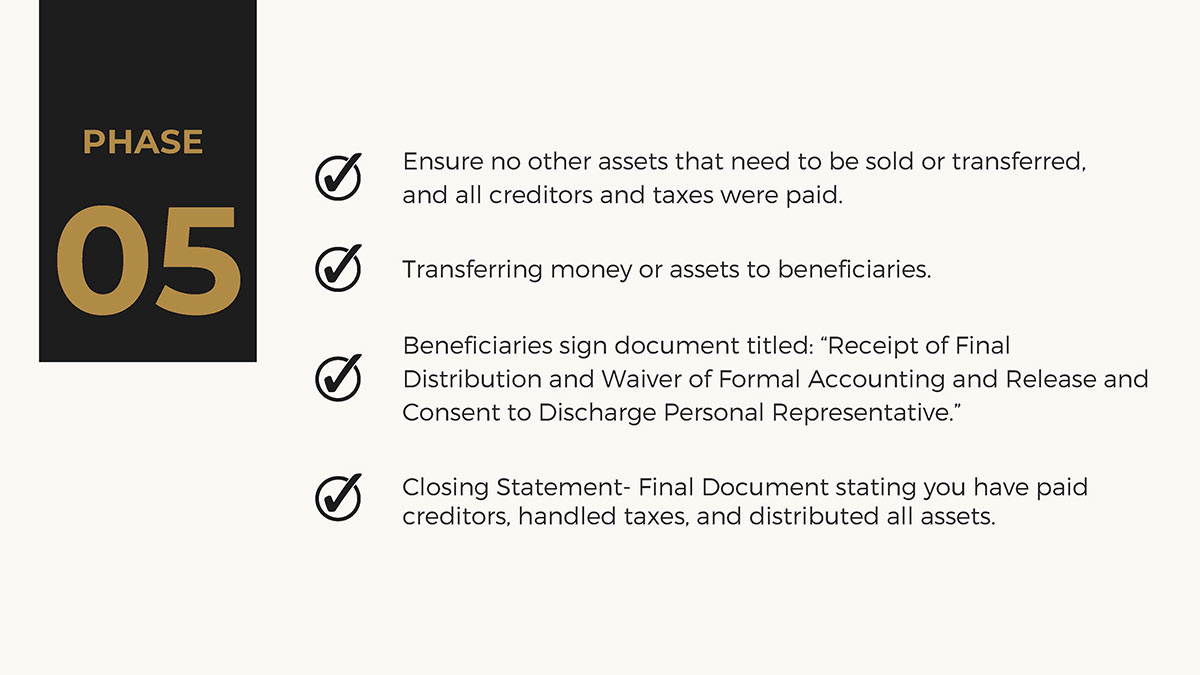
  • Ensure no other assets that need to be sold or transferred, and all creditors and taxes were paid.
  • Transferring money or assets to beneficiaries.
  • Sign document titled: “Receipt of final distribution and waiver of formal accounting and release and consent to discharge personal representative”.
  • Closing Statement- Final Document stating you have paid creditors, handled taxes and distributed all assets.
Phase 05

Get the Help You Deserve

Let Rahnema Law handle the legal complexities of probate administration so you can focus on what truly matters—honoring your loved one’s legacy.

Scroll to Top